
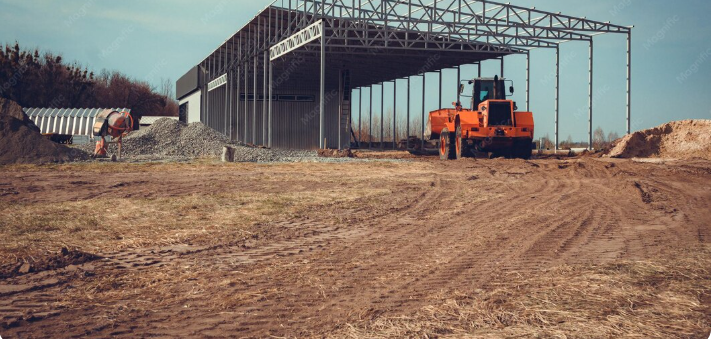
How to Choose the Right Building Materials for Your Construction Project
Choosing the right building materials is one of the most important steps in any construction project. The quality, durability, and cost-effectiveness of your structure largely depend on the materials you select. Whether you are building a residential home, commercial property, or industrial project, making informed decisions about construction materials can save you time, money, and long-term maintenance issues.
In this guide, we will walk you through the key factors to consider when selecting the best building materials for your project.
1. Understand Your Project Requirements
Every construction project is different. Before selecting materials, clearly define:
- Type of structure (home, office, warehouse, etc.)
- Project size and design complexity
- Environmental conditions
- Load-bearing requirements
For example, a high-rise building requires stronger materials like steel and reinforced concrete, while residential homes may use a mix of bricks, cement blocks, and wood.
2. Focus on Durability and Strengt
Durability is critical in construction. The materials you choose must withstand environmental conditions such as heat, rain, humidity, and pressure.
Common durable building materials include:
- Reinforced concrete
- Structural steel
- High-quality bricks and blocks
- Treated wood
- Stone and natural aggregates
Choosing strong materials reduces repair costs and increases the lifespan of the structure.
3. Consider Cost vs Quality Balance
While budget is always a factor, choosing the cheapest materials can lead to higher long-term costs due to repairs and replacements.
Instead, focus on:
- Long-term value
- Maintenance requirements
- Life-cycle cost of materials
A slightly higher upfront investment in quality materials often results in significant savings over time.
4. Check Availability of Materials
Availability plays a major role in construction timelines. If materials are not easily accessible, your project may face delays.
Before finalizing your selection:
- Check local suppliers
- Compare delivery times
- Ensure consistent supply for large projects
Locally available materials are often more cost-effective and reduce transportation delays.
5. Evaluate Environmental Conditions
Weather and environmental factors should always influence your material selection.
For example:
- Hot climates require heat-resistant materials
- Coastal areas need corrosion-resistant metals
- Cold regions require strong insulation materials
Selecting climate-appropriate materials improves building performance and comfort.
6. Prioritize Energy Efficiency
Modern construction increasingly focuses on energy-efficient materials that reduce long-term utility costs.
Examples include:
- Thermal insulation materials
- Energy-efficient windows
- Reflective roofing materials
- Insulated concrete forms
Energy-efficient choices also increase property value and sustainability ratings.
7. Work with Reliable Suppliers
Your supplier is just as important as the materials themselves. A trusted supplier ensures:
- Consistent material quality
- On-time delivery
- Competitive pricing
- Technical support when needed
Always choose suppliers with a strong reputation in the construction industry.
8. Follow Building Standards and Regulations
Every region has construction codes and safety regulations. Your selected materials must comply with:
- Local building codes
- Safety standards
- Environmental regulations
Non-compliance can lead to legal issues, delays, or structural risks.
Final Thoughts
Selecting the right building materials is a balance between quality, cost, durability, and availability. By carefully evaluating your project needs and working with reliable suppliers, you can ensure a strong, safe, and long-lasting structure.
Smart material selection not only improves construction efficiency but also adds long-term value to your investment.




Add comment