
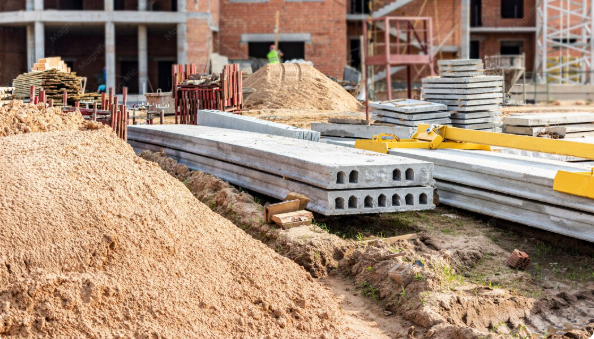
Top Building Materials Trends in 2026 for Modern Construction
The construction industry is evolving rapidly, and 2026 is bringing a new wave of innovation in building materials and construction practices. From eco-friendly solutions to smart materials and energy-efficient products, modern construction is now focused on sustainability, durability, and cost efficiency.
Builders, contractors, and developers are increasingly choosing advanced construction materials that not only improve structural performance but also reduce environmental impact. In this article, we explore the top building materials trends in 2026 that are shaping the future of modern construction.
1. Eco-Friendly Building Materials Are Becoming the New Standard
Sustainability is no longer optional in the construction industry. Governments, businesses, and homeowners are all demanding greener construction solutions. As a result, eco-friendly building materials are becoming one of the biggest trends in 2026.
Popular sustainable materials include:
- Recycled steel
- Bamboo products
- Reclaimed wood
- Low-carbon cement
- Recycled concrete aggregates
These materials help reduce waste, lower carbon emissions, and create environmentally responsible buildings without compromising strength or durability.
Benefits of Eco-Friendly Materials
- Reduced environmental impact
- Better energy efficiency
- Long-term cost savings
- Improved indoor air quality
- Compliance with green building regulations
Companies investing in sustainable building products are gaining a strong competitive advantage in today’s market.
2. Smart Construction Materials Are Revolutionizing the Industry
Technology is transforming construction, and smart materials are leading the way. In 2026, modern buildings are increasingly using intelligent construction materials designed to improve safety, efficiency, and durability.
Examples of smart building materials include:
- Self-healing concrete
- Temperature-responsive glass
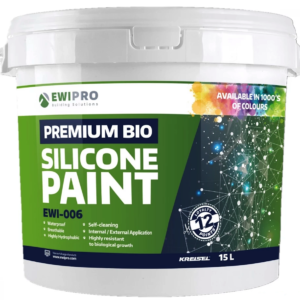
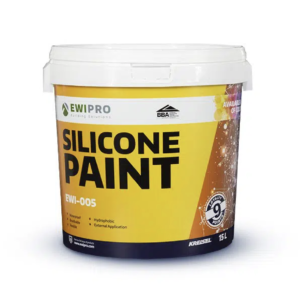
- Moisture-resistant coatings
- Smart insulation systems
- Energy-generating materials
These innovative materials can adapt to environmental conditions, reduce maintenance costs, and extend the lifespan of buildings.
Why Smart Materials Matter
Smart construction materials help:
- Improve structural performance
- Reduce repair and maintenance costs
- Increase building safety
- Enhance energy efficiency
- Support modern smart building technologies
As construction projects become more advanced, the demand for smart building solutions continues to grow worldwide.
3. Lightweight Concrete Is Changing Modern Construction
Lightweight concrete is becoming increasingly popular in both residential and commercial projects. Compared to traditional concrete, lightweight concrete offers improved flexibility, easier handling, and reduced structural load.
This material is especially useful for:
- High-rise buildings
- Bridges
- Prefabricated structures
- Renovation projects
- Modern architectural designs
Advantages of Lightweight Concrete
- Faster construction process
- Reduced transportation costs
- Better thermal insulation
- Improved fire resistance
- Lower overall building weight
In 2026, lightweight concrete is expected to become one of the most widely used modern construction materials due to its versatility and performance benefits.
4. Energy-Efficient Building Products Are in High Demand
Energy efficiency is now a top priority for property developers and homeowners alike. Rising energy costs and environmental concerns are driving the demand for energy-saving construction materials.
Popular energy-efficient products include:
- Advanced insulation systems
- Solar-reflective roofing materials
- Energy-efficient windows and doors
- Thermal wall panels
- LED-integrated construction systems
These materials help reduce energy consumption while improving indoor comfort and building performance.
Benefits of Energy-Efficient Construction
- Lower utility bills
- Reduced carbon footprint
- Increased property value
- Improved sustainability ratings
- Better long-term investment returns
Modern construction projects are increasingly designed with energy efficiency at their core.
5. Sustainable Building Practices Are Shaping the Future
Sustainable construction practices are becoming essential for modern development projects. Builders are now focusing on reducing waste, improving resource efficiency, and using environmentally responsible materials throughout the construction process.
Key sustainable practices include:
- Recycling construction waste
- Using locally sourced materials
- Water-efficient construction methods
- Modular and prefabricated construction
- Green building certifications
These practices not only protect the environment but also improve project efficiency and long-term building performance.
Final Thoughts
The future of construction is smarter, greener, and more efficient. In 2026, modern construction materials are transforming how buildings are designed and built. From eco-friendly building products and lightweight concrete to smart materials and energy-efficient systems, the industry is moving toward a more sustainable future.
Businesses that adopt these modern building material trends will be better positioned to deliver high-quality, cost-effective, and environmentally responsible construction projects.
As the demand for sustainable and innovative construction solutions continues to rise, investing in advanced building materials is no longer just an option — it is a necessity for long-term success.
Add comment