
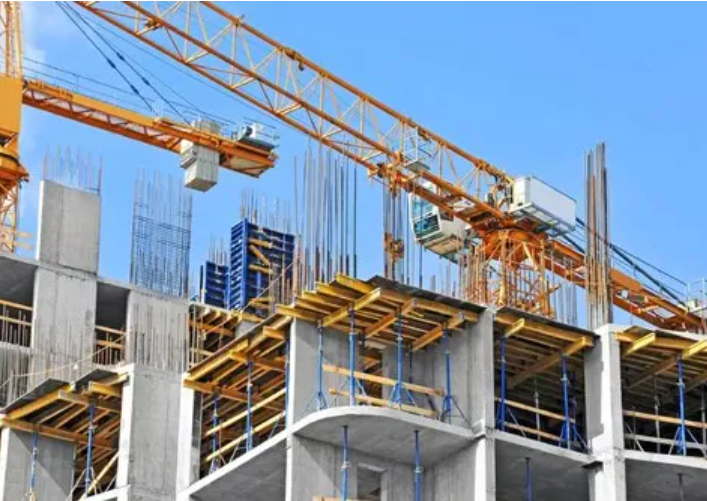
Top Building Materials Trends in 2026 | The Future of Construction
The construction industry is undergoing a significant transformation as sustainability, technology, and innovation continue to influence the way buildings are designed and constructed. In 2026, builders, contractors, developers, and architects are increasingly focused on materials that offer improved performance, reduced environmental impact, and long-term cost efficiency.
As regulations evolve and demand for sustainable construction grows, understanding the latest building materials trends is essential for staying competitive in the industry.
Here are the top building materials trends shaping construction projects in 2026.
1. Sustainable and Low-Carbon Construction Materials
Sustainability remains one of the most important drivers of change in the construction sector. Developers are actively seeking materials that reduce carbon emissions while maintaining structural integrity and durability.
Popular sustainable materials include:
- Ground Granulated Blast Furnace Slag (GGBS)
- Low-carbon concrete
- Recycled steel
- Reclaimed timber
- Recycled aggregates
These materials help reduce environmental impact while supporting green building initiatives and sustainability goals.
Benefits:
- Lower carbon footprint
- Improved environmental performance
- Enhanced project sustainability ratings
- Compliance with green building standards
2. Increased Adoption of GGBS in Concrete
Ground Granulated Blast Furnace Slag (GGBS) continues to gain popularity as a sustainable alternative to traditional cement components.
By partially replacing Portland cement in concrete mixes, GGBS can:
- Reduce CO₂ emissions
- Improve concrete durability
- Enhance resistance to chemical attacks
- Lower heat generation during curing
Many commercial and infrastructure projects are now incorporating GGBS to meet environmental targets without compromising performance.
3. Smart Building Materials
Technology is becoming increasingly integrated into construction materials. Smart materials can adapt to environmental conditions and improve building efficiency.
Examples include:
- Self-healing concrete
- Smart glass
- Energy-efficient insulation systems
- Responsive building facades
These innovations contribute to better energy management, reduced maintenance costs, and improved occupant comfort.
4. Prefabricated and Modular Construction Components
Speed and efficiency are critical factors in modern construction. As a result, prefabricated and modular building components continue to gain traction.
Manufactured in controlled environments, these components offer:
- Faster project completion
- Reduced material waste
- Improved quality control
- Lower labor costs
Modular construction is becoming increasingly common in residential, commercial, and industrial developments.
5. Advanced Insulation Materials
Energy efficiency is a major priority in 2026, leading to increased demand for advanced insulation solutions.
Modern insulation materials provide:
- Improved thermal performance
- Lower energy consumption
- Enhanced indoor comfort
- Reduced operating costs
High-performance insulation systems help buildings meet stringent energy regulations while reducing long-term utility expenses.
6. Recycled and Circular Economy Materials
The construction industry is embracing circular economy principles by incorporating recycled materials into new projects.
Examples include:
- Recycled concrete aggregates
- Recycled metals
- Reclaimed wood products
- Recycled plastic construction components
These materials help reduce landfill waste and support sustainable resource management.
Advantages:
- Lower environmental impact
- Reduced material waste
- Improved sustainability credentials
- Cost-effective alternatives
7. High-Performance Concrete Solutions
Concrete remains one of the most widely used construction materials, but innovation is improving its capabilities.
Modern high-performance concrete offers:
- Greater strength
- Increased durability
- Enhanced weather resistance
- Extended service life
These advanced concrete solutions are particularly valuable in large-scale infrastructure and commercial developments.
8. Digital Material Tracking and Procurement
Digital transformation is influencing material management across the construction industry.
Construction companies are increasingly using technology to:
- Track inventory in real time
- Monitor material usage
- Improve procurement efficiency
- Reduce project delays
Digital procurement systems help businesses make smarter purchasing decisions while minimizing waste and cost overruns.
9. Durable Materials Designed for Longevity
Building owners are placing greater emphasis on lifecycle performance rather than simply focusing on initial costs.
As a result, demand is increasing for materials that offer:
- Long-term durability
- Reduced maintenance requirements
- Improved weather resistance
- Greater return on investment
Quality materials help extend building lifespan and lower ownership costs over time.
10. Green Building Certification Compliance
More construction projects are being designed to meet sustainability certifications and environmental standards.
This trend is driving demand for materials that contribute to:
- Energy efficiency
- Reduced emissions
- Sustainable sourcing
- Responsible manufacturing
Builders who incorporate environmentally friendly materials are better positioned to meet client expectations and regulatory requirements.
The Future of Building Materials
The building materials industry is evolving rapidly, with sustainability, technology, and performance becoming central considerations for construction professionals.
In 2026, successful projects will increasingly rely on:
- Sustainable construction materials
- Low-carbon concrete solutions
- Smart building technologies
- Recycled and circular economy products
- High-performance materials designed for long-term value
Companies that embrace these trends will benefit from improved project outcomes, greater operational efficiency, and stronger environmental performance.
Conclusion
The construction industry is entering a new era where material selection plays a critical role in sustainability, efficiency, and long-term building performance. From low-carbon concrete and GGBS to smart materials and modular construction, the trends shaping 2026 are creating exciting opportunities for builders and developers.
By staying informed about the latest building materials innovations, construction professionals can make smarter decisions that support durable, cost-effective, and environmentally responsible projects.
At GYC Materials, we remain committed to supplying high-quality, innovative construction materials that help our clients meet the demands of modern construction while building a more sustainable future.



Add comment